
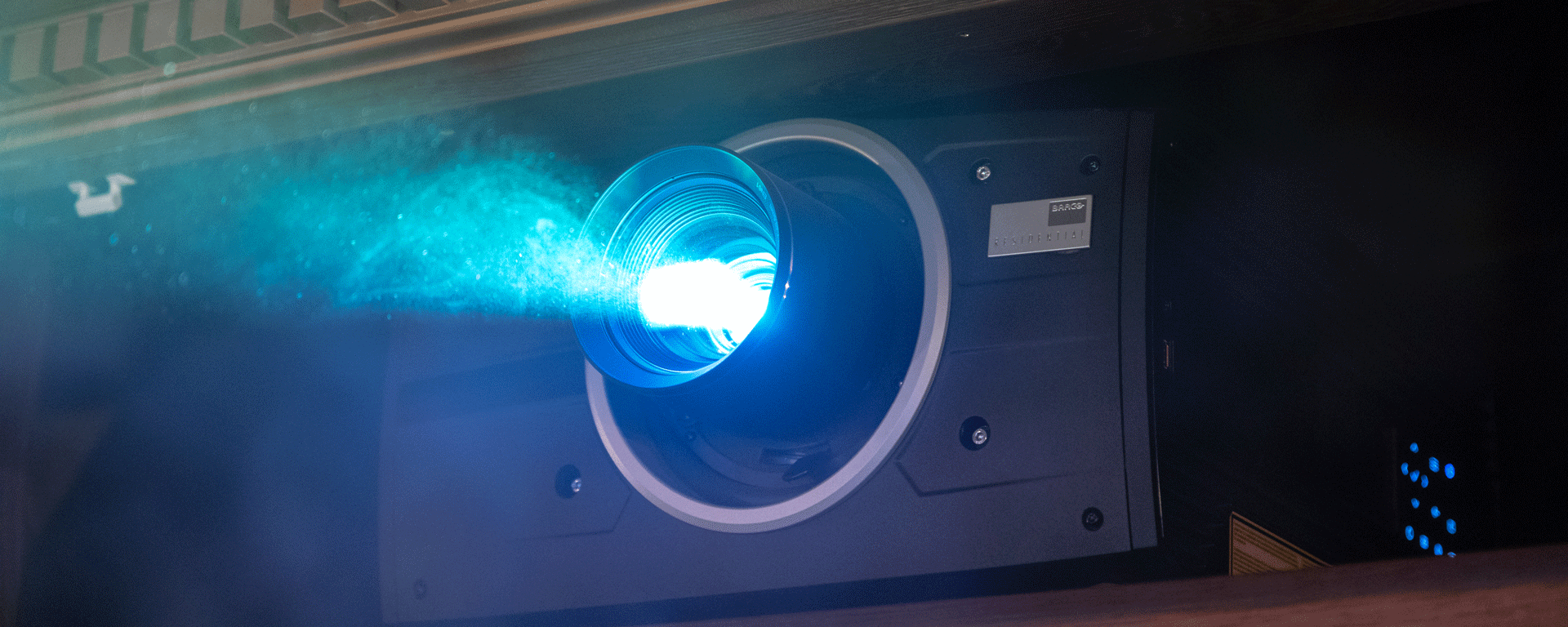
Every single projector on the market will proudly quote its light output, but how useful is that figure on its own? We never experience a projector's brightness by looking down the lens.
The indicated light output of a projector is a useful starting point, but only when you also know the size of the screen and the reflectivity of the image surface, referred to as gain. 3,000 ANSI lumens could be strikingly bright on a 2m wide screen with a 1.2 gain surface, or barely visible on a 7m widescreen with a 0.7 gain screen. Same projector, very different result.
The first thing we need to establish is how to calculate the actual brightness of the screen.
Fortunately, the formula is relatively straightforward:
Here’s a handy calculator you can use:
Screen Brightness Calculator
Screen size: 3.00m × 1.69m
Screen diagonal: 3.44m / 135.4in
Screen area: 0.00 ft² / 0.00 m²
The next question is what that number actually means in practice. Screen brightness in cinema environments is measured in foot lamberts (ft-L), and we already have a reasonable intuitive feel for what different brightness levels look like, because we have been watching screens in various environments for years.
Some useful brightness reference points:
Commercial cinema: 14 to 16 ft-L
Plasma TV: 40 to 60 ft-L
OLED TV: 60 to 100 ft-L
LCD TV: 80 to 160 ft-L
If you think about this practically, most people would agree that a plasma or OLED display performs best in a dark or well-controlled room, while an LCD TV holds up better in a bright environment. A higher brightness level allows the image to compete with ambient light in the room.
For a projector going into a living room or any space without serious light control, you should be aiming to get somewhere close to OLED and LCD TV brightness levels. A target of around 70 to 120 ft-L is a sensible number for media rooms. Getting there generally means specifying a bright projector, typically 4,500 ANSI lumens or above for these kinds of environments.
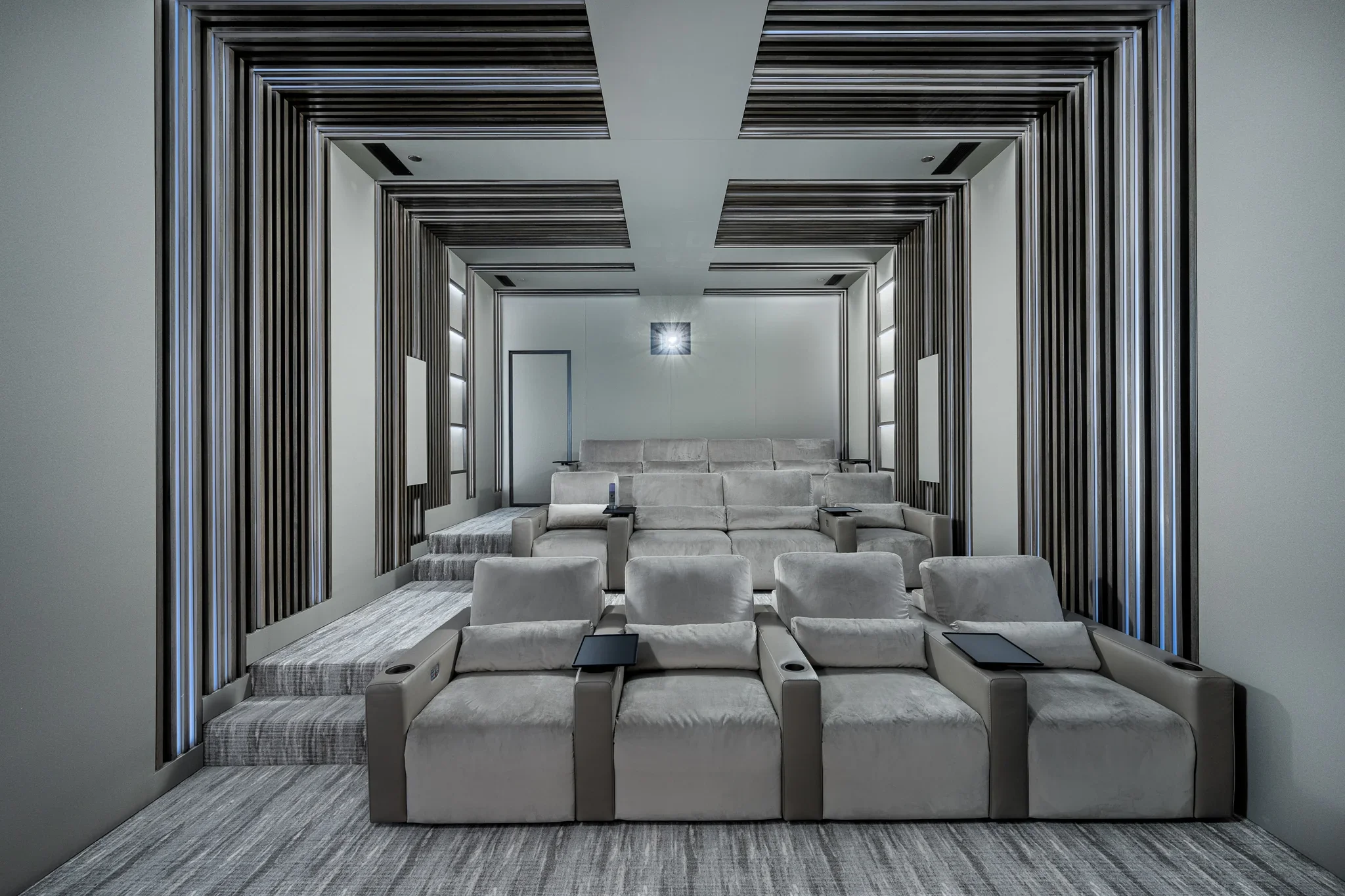
In a dedicated cinema design, these reference points become a useful tool when specifying projector output and screen gain together, rather than treating them as separate decisions.
With laser light sources now firmly established across the projector range, available light output has increased considerably compared to lamp-based systems of even a few years ago. That increase in output is well timed, given the significant growth in HDR content now available across streaming and physical media.
Our recommendations for target screen brightness reflect both the content and the technology that is now available. For Standard Dynamic Range content, we would suggest aiming for 26 to 35 ft-L. For HDR content, 50 ft-L is a better target. That additional brightness allows the greater dynamic range of HDR to be expressed properly, producing an image that feels more realistic and involving rather than simply louder.
If you would like some help specifying a projection system or screen solution, get in touch with the AV8 team and we can work through the numbers with you.